Photo via 11Alive Atlanta
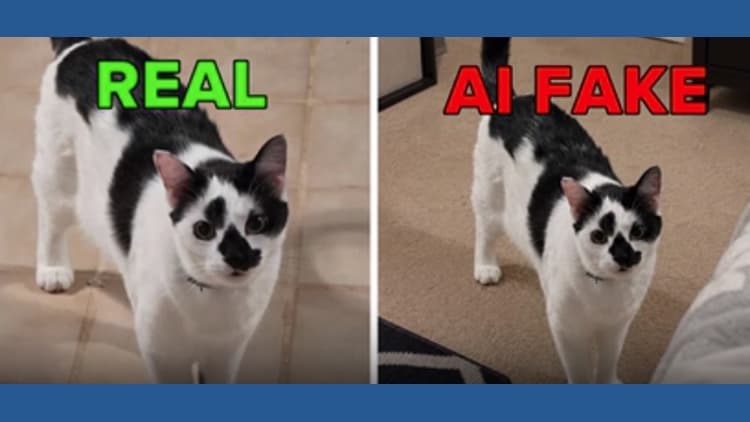
According to 11Alive Atlanta, an Atlanta resident's desperate search for her missing cat Isaac turned into a criminal nightmare when scammers deployed AI-altered images to attempt extortion. The incident highlights a troubling intersection of artificial intelligence technology and fraud, where bad actors are exploiting emotional vulnerability to extract money from victims. As AI image generation tools become increasingly accessible and sophisticated, cybercriminals are finding new ways to weaponize the technology against everyday people.
The use of AI-generated or manipulated imagery in scams represents an emerging threat that Atlanta-area law enforcement and cybersecurity professionals are beginning to track more closely. The case demonstrates how scammers can create convincing fake evidence—in this instance, altered photos of a missing pet—to manufacture urgency and fear in victims, making them more likely to pay ransom demands. This hybrid approach combining emotional manipulation with cutting-edge technology creates a particularly insidious fraud vector that traditional scam awareness campaigns may not adequately address.
For Atlanta residents and business owners, this incident underscores the importance of digital literacy and skepticism when receiving unsolicited communications, especially those involving emotional appeals or urgent requests for payment. Experts recommend verifying the authenticity of images through reverse image searches, reporting suspected AI-driven scams to local authorities and the FBI's Internet Crime Complaint Center, and consulting with cybersecurity professionals before engaging with suspicious contacts. As generative AI tools proliferate, awareness and prevention will remain critical defenses against evolving fraud schemes.