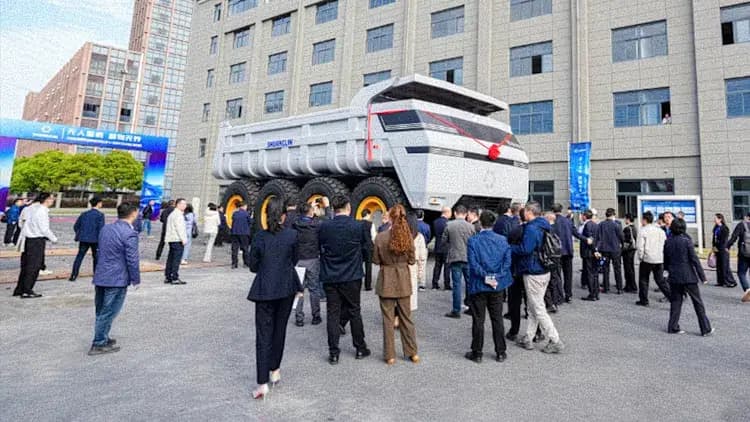
Photo via Inc.
The emergence of autonomous mining trucks in China underscores a broader transformation underway in industrial automation. These vehicles, capable of operating without human drivers in demanding environments, represent a significant leap in how AI is being deployed beyond consumer-facing applications. According to Inc., these driverless trucks combine size, precision, and autonomous navigation—capabilities that suggest the next wave of industrial innovation extends far beyond humanoid robots and into the machinery that powers global supply chains.
For Atlanta-area businesses, particularly those in logistics, manufacturing, and energy sectors, the implications warrant close attention. As autonomous vehicle technology matures in mining and heavy industry applications overseas, domestic companies will face competitive pressure to adopt similar innovations. Georgia's substantial transportation and logistics hub status means local firms may soon need to evaluate how autonomous industrial equipment could optimize their operations or reshape their service offerings.
The technology raises important questions about workforce transition and operational efficiency. While automation can reduce costs and improve safety in hazardous environments, companies implementing these systems will need to address retraining and repositioning of displaced workers. Atlanta's business leaders should begin planning now for how their industries might integrate such technologies while managing human capital concerns.
As Chinese companies lead in autonomous industrial vehicle development, U.S. businesses cannot afford to lag. Atlanta companies competing in logistics, distribution, and manufacturing should monitor these advances closely and explore partnerships or investments in comparable autonomous systems. The industrial future increasingly depends on companies that can effectively integrate AI into their operational infrastructure.