Photo via Inc.
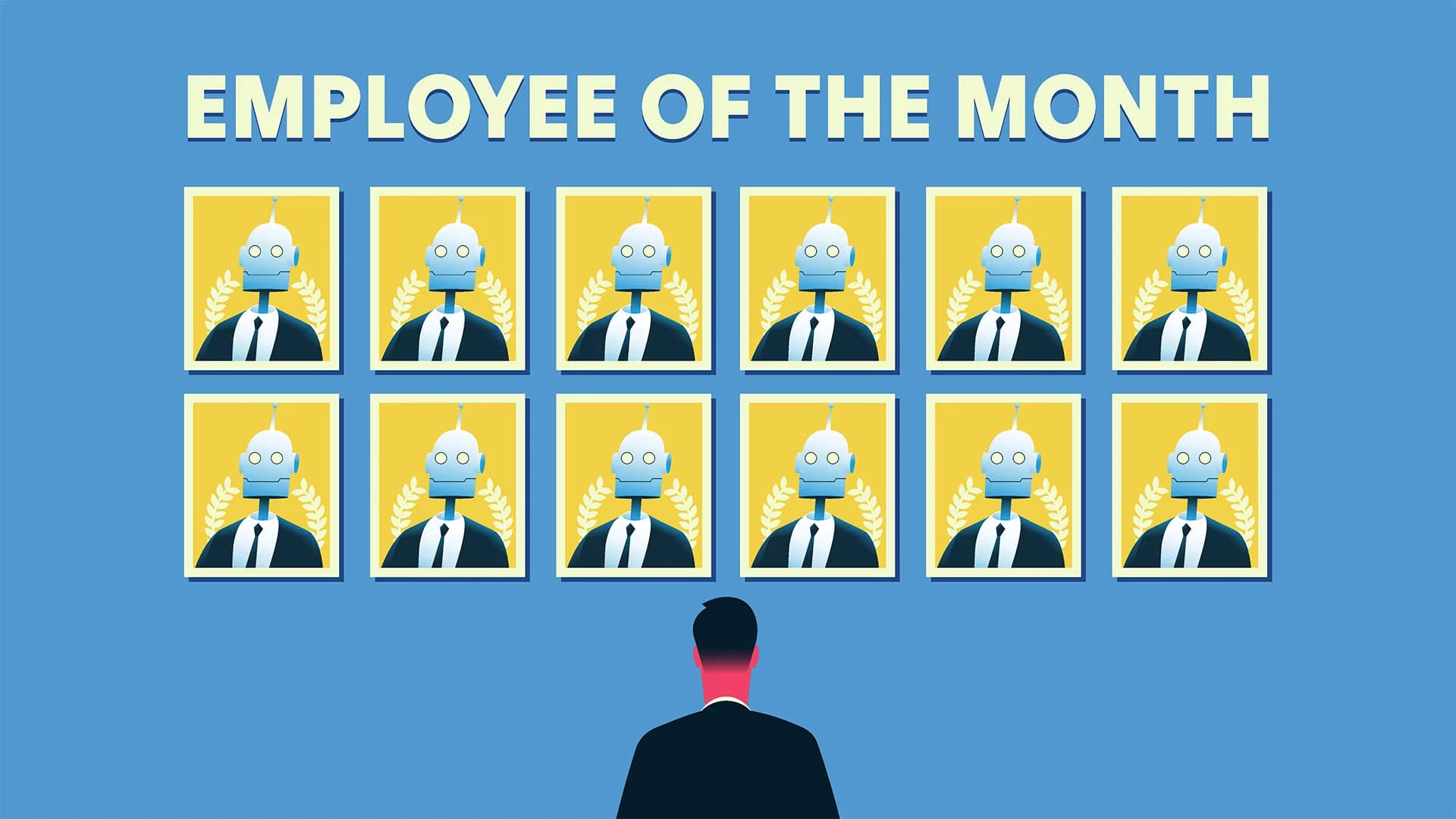
The narrative around artificial intelligence's impact on employment is shifting. According to Inc., prominent AI developers including OpenAI's Sam Altman and leaders at Anthropic have recently moderated their earlier warnings about massive job displacement from automation. The change in tone reflects emerging data that suggests the feared wave of AI-driven layoffs may not materialize as quickly or severely as previously anticipated.
For Atlanta's growing tech sector and its diverse workforce, this development carries meaningful implications. The region has attracted significant investment in software development, data analytics, and AI-adjacent fields in recent years. If automation-related job losses prove less dramatic than feared, it could provide stability for knowledge workers while companies adjust their strategies around AI implementation.
The reassessments from leading AI developers represent an important recalibration in how the industry communicates about technological disruption. Rather than presenting a catastrophic scenario, these executives are now emphasizing that job transformation is likely to occur gradually, allowing workers and employers time to adapt. This more measured perspective may help businesses plan their AI integration strategies with greater confidence.
However, experts caution that the long-term picture remains uncertain. While immediate mass layoffs appear unlikely, the cumulative effects of AI adoption across industries could still reshape the job market significantly over the next decade. Atlanta-area business leaders and workers should continue monitoring how automation technologies evolve and prepare for workforce transitions, even as the timeline extends beyond initial projections.