Photo via Fast Company
The artificial intelligence image generation market has become increasingly competitive, with tools like Google's Gemini, ChatGPT, Adobe Firefly, and Midjourney all vying for user attention. Yet Ideogram has carved out a niche by prioritizing user experience and practical features that appeal to professionals creating marketing materials, social content, and design assets. For Atlanta-based marketing agencies, in-house creative teams, and startups, understanding which tool best fits workflow needs has become a legitimate business consideration.
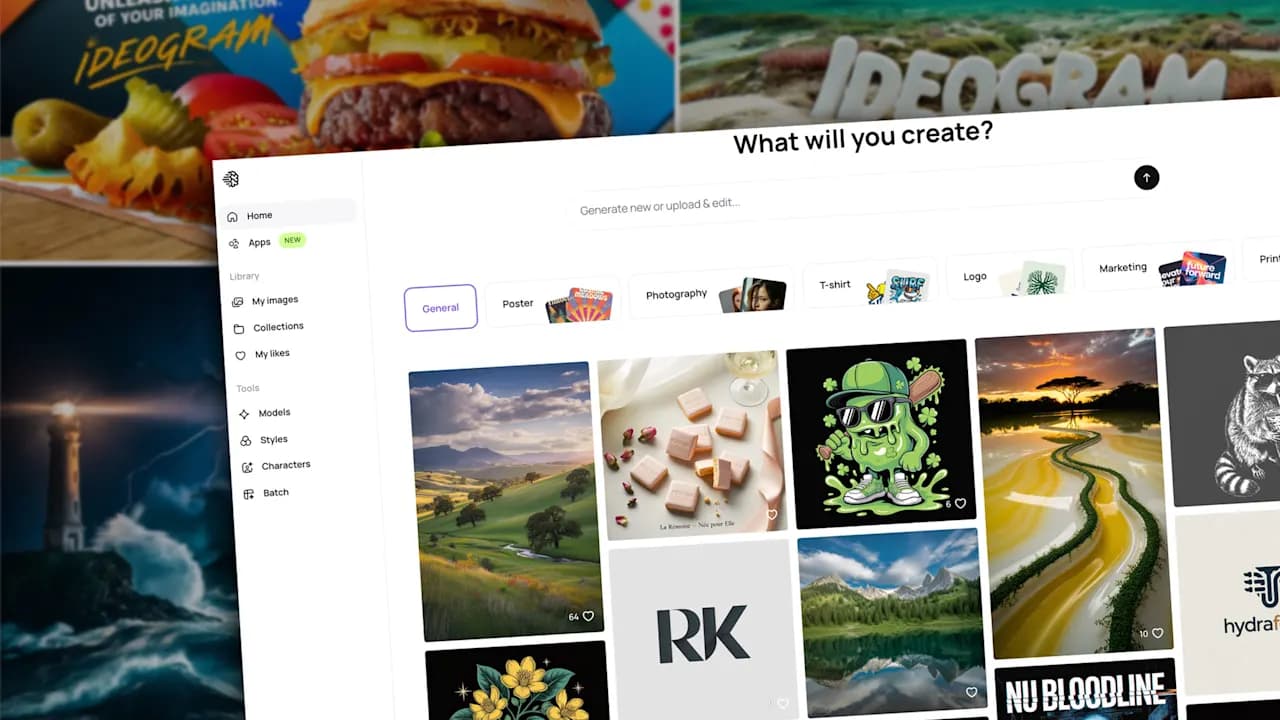
Ideogram's standout capabilities include automatic prompt refinement, the ability to generate four image variations per request, and notably accurate text rendering—a feature that has plagued other AI generators. The platform offers style customization, remix functionality, and multiple dimension options suitable for everything from LinkedIn posts to billboard designs. The free tier provides at least five daily images, with paid subscriptions ($7/month annually) unlocking advanced features like Canvas editing and full-resolution downloads, making it accessible for businesses testing AI integration before committing budget.
However, potential adopters should weigh significant trade-offs. Free users face public image galleries, reduced output quality, and limited daily generation capacity—constraints that may frustrate teams iterating on designs. The broader AI image generation landscape raises concerns about artistic displacement, copyright issues (Getty Images recently lost a legal challenge), and the risk of misleading AI-generated visuals that appear photorealistic. Atlanta creative professionals should consider these implications when adopting such tools.
For Atlanta businesses exploring AI-assisted design, the decision between Ideogram and competitors depends on specific needs. Teams prioritizing accurate text-based graphics may find Ideogram advantageous, while others might prefer Adobe Firefly's advanced customization or Flux's dramatic visual output. The key takeaway: AI image generation is now a practical tool for business operations, but it requires careful evaluation of capabilities, costs, and ethical considerations before implementation.