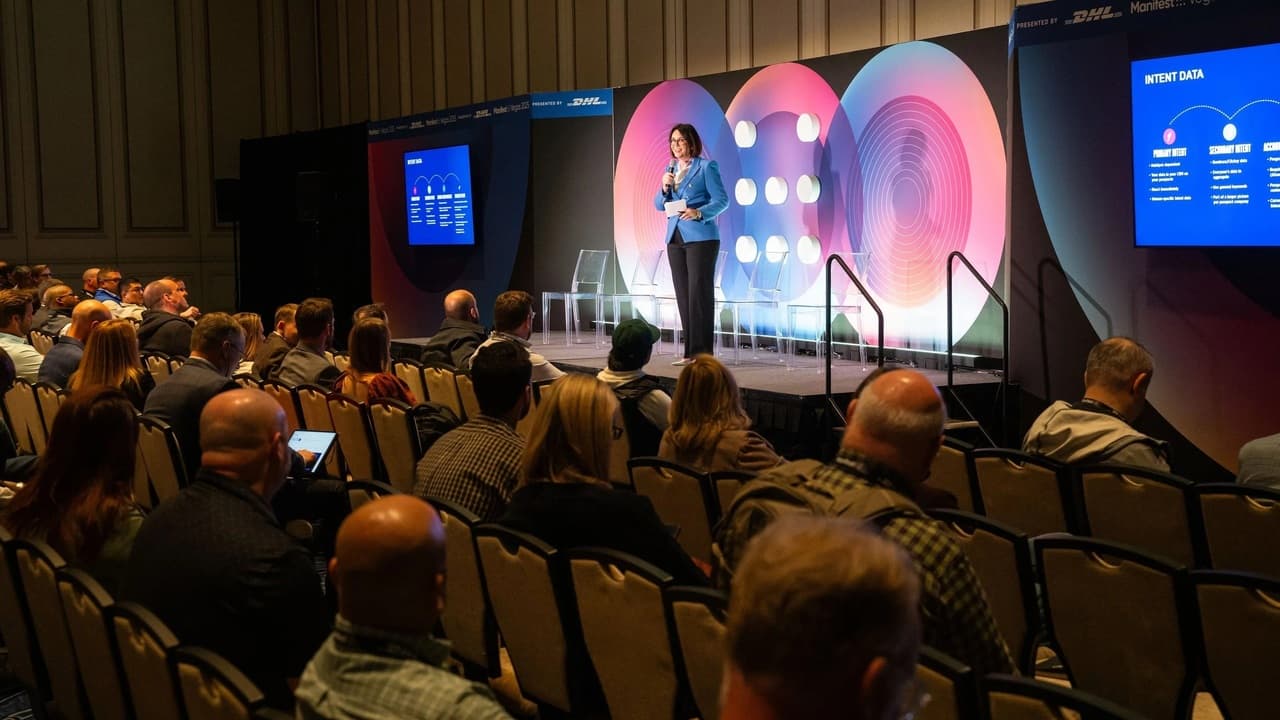
Photo via Inc.
The distinction between incorporating AI as a tool versus building an AI-first business strategy has become a critical dividing line in competitive marketing. According to Inc., leading marketers are moving beyond incremental AI adoption to redesigning their entire operational approach around artificial intelligence capabilities. This shift requires rethinking workflows, team structures, and decision-making processes from the ground up rather than retrofitting AI into legacy systems.
For Atlanta-area companies navigating this transition, the implications are significant. Organizations that adopt an AI-first mindset position themselves to respond faster to market changes, personalize customer experiences at scale, and identify business opportunities competitors might miss. This is particularly relevant for Atlanta's growing tech sector and established enterprises looking to maintain market relevance as AI capabilities become table stakes across industries.
The challenge lies in execution. Being truly AI-first demands more than purchasing expensive software or hiring data scientists. It requires cultural transformation, investment in employee training, and willingness to challenge established processes. Companies must audit their current operations, identify where AI can create genuine competitive advantage, and commit to ongoing adaptation as the technology evolves.
For Atlanta business leaders, the message is clear: passive adoption of AI tools will not sustain competitive advantage. Those winning the market are making strategic bets on AI-first thinking, reimagining how their organizations operate, and building capabilities that allow them to stay ahead of disruption. The time to make this transition is now, before competitors in your industry fully embrace the opportunity.