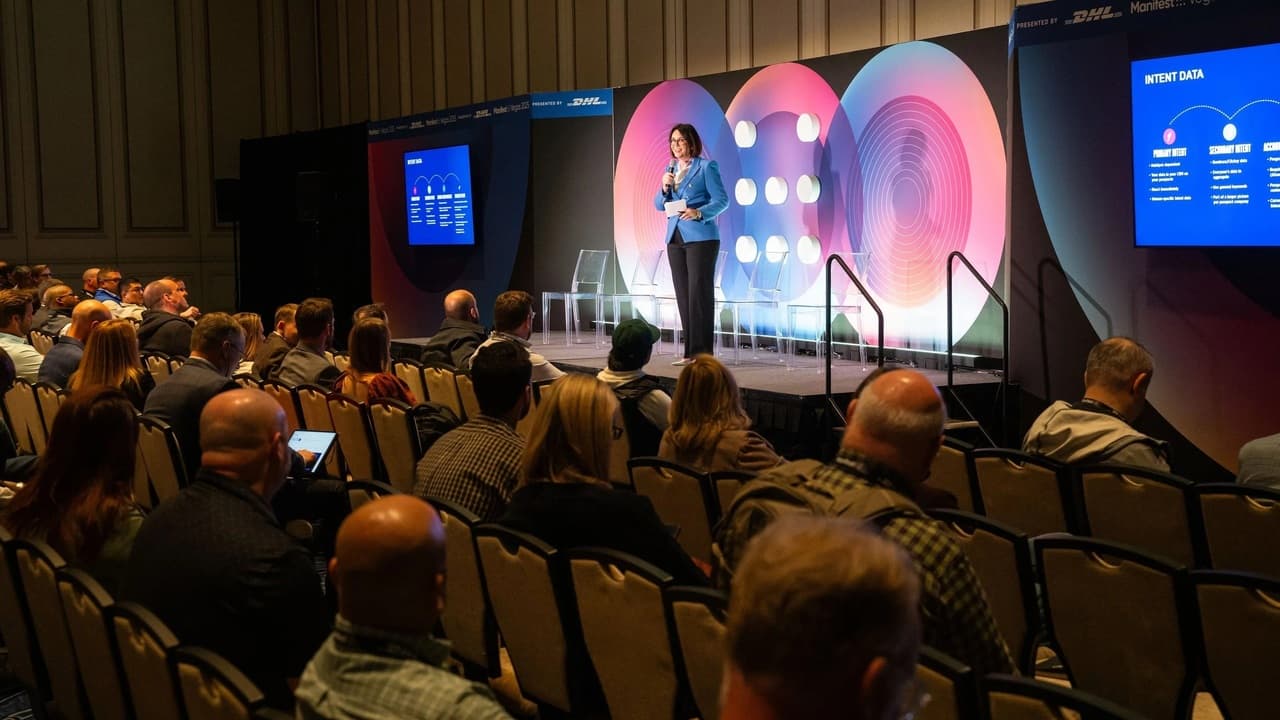
Photo via Inc.
New York City's comptroller recently released an economic forecast that offers cautionary insights relevant to Atlanta's growing tech sector. The analysis outlines five distinct scenarios for how artificial intelligence adoption could reshape regional economies over the coming years. While focused on NYC, the framework provides Atlanta business leaders with a useful model for stress-testing their own AI strategies and investment decisions.
One of the comptroller's key findings projects a one-in-four probability that the current AI boom could lose momentum and fail to deliver the transformative economic benefits that venture capitalists and tech evangelists have promised. This sobering assessment underscores the importance of distinguishing between hype and sustainable value creation—a lesson particularly relevant as Atlanta positions itself as a Southeast tech hub attracting AI startups and established tech companies.
The report's multiple-scenario approach highlights the uncertainty surrounding AI's economic impact. Rather than assuming a single trajectory, the analysis considers factors such as regulatory changes, competitive dynamics, talent availability, and infrastructure constraints. Atlanta companies operating in financial services, logistics, and healthcare—industries heavily investing in AI applications—should similarly conduct scenario planning to understand their exposure to different outcomes.
For Atlanta's business community, the takeaway is clear: while AI presents significant opportunities, prudent executives should balance optimism with contingency planning. Companies should evaluate how their AI investments perform under various economic conditions, ensure diversified revenue streams, and maintain flexibility to adjust strategies as the technology matures and its real-world limitations become clearer.