Photo via FreightWaves
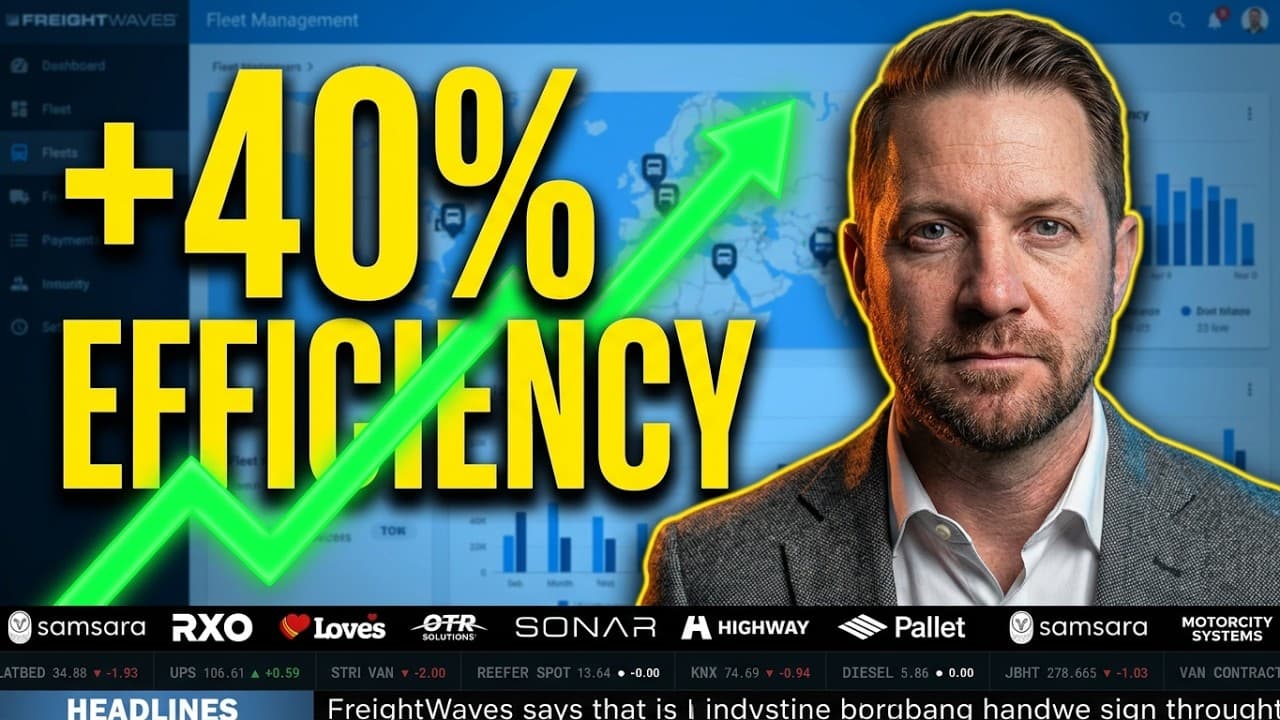
The trucking industry has long relied on basic efficiency metrics like miles per truck to measure operational success, but industry experts argue this approach leaves substantial profitability on the table. According to FreightWaves, advanced decision automation systems are increasingly demonstrating superior performance in optimizing fleet networks. These technologies move beyond simple distance calculations to incorporate dynamic variables like fuel costs, equipment utilization, and market conditions in real time.
Rather than optimizing for miles traveled, sophisticated algorithms focus on revenue per hour—a metric that better captures the true economics of freight operations. This approach, often referred to as "forward yield" optimization, enables carriers to allocate loads more strategically across their networks, maximizing margins even during periods of freight market softness. By processing vast datasets and running continuous simulations, automated systems can identify profitable routing decisions that would be difficult or impossible for human dispatchers to uncover.
As competition in the freight sector intensifies and margins compress, carriers increasingly recognize that automated decision-making offers a competitive edge. The shift toward machine-driven optimization reflects a broader industry trend toward technology adoption as a means of improving profitability and operational resilience in an unpredictable market environment.