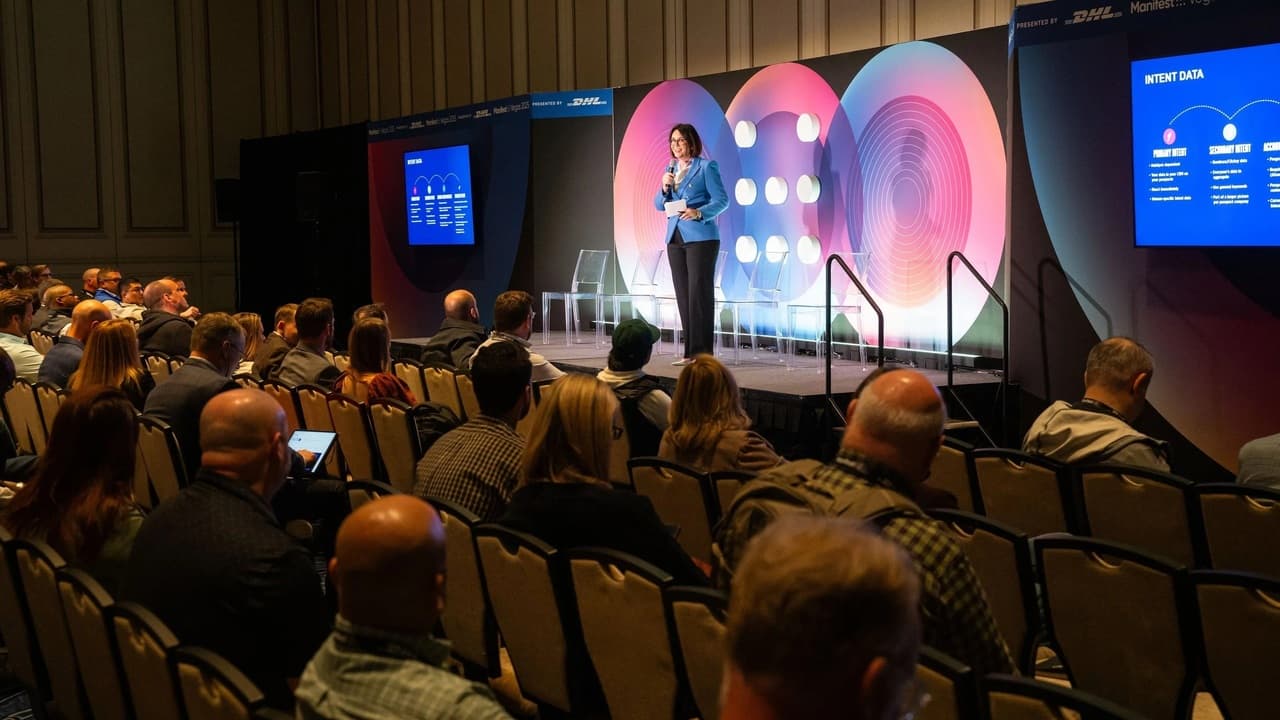
Photo via Inc.
Atlanta businesses investing in artificial intelligence are encountering an unexpected challenge: the tools they're paying for are becoming simultaneously more expensive and less capable. This phenomenon—sometimes called 'shrinkflation' in the AI space—is forcing companies across the Southeast to reassess their technology spending and strategy. According to recent reporting, this trend affects everything from customer service automation to data analysis platforms that many growing firms depend on.
The root causes are multifaceted. AI providers are facing increased computational costs, competitive pressure, and the challenge of maintaining service quality as demand surges. For Atlanta's tech sector and traditional industries alike, this means budget allocations that once seemed reasonable are now delivering diminished returns. Companies must now scrutinize performance metrics more carefully and question whether their current subscriptions justify the expense.
Some Atlanta-based tech leaders and consultants are finding workarounds by combining multiple specialized tools, using open-source alternatives, or negotiating enterprise agreements that offer better value than standard pricing tiers. Others are shifting toward building custom solutions tailored to their specific needs rather than relying on generalized platforms—a strategy particularly appealing to local fintech, logistics, and healthcare firms with unique requirements.
For decision-makers in Atlanta's business community, the lesson is clear: the early days of straightforward AI adoption are ending. Companies should conduct thorough audits of current AI spending, benchmark performance against alternatives, and consider whether their tech stack needs restructuring. The most successful Atlanta businesses will be those that treat AI not as a plug-and-play solution, but as a strategic investment requiring ongoing evaluation and optimization.