Photo via Inc.
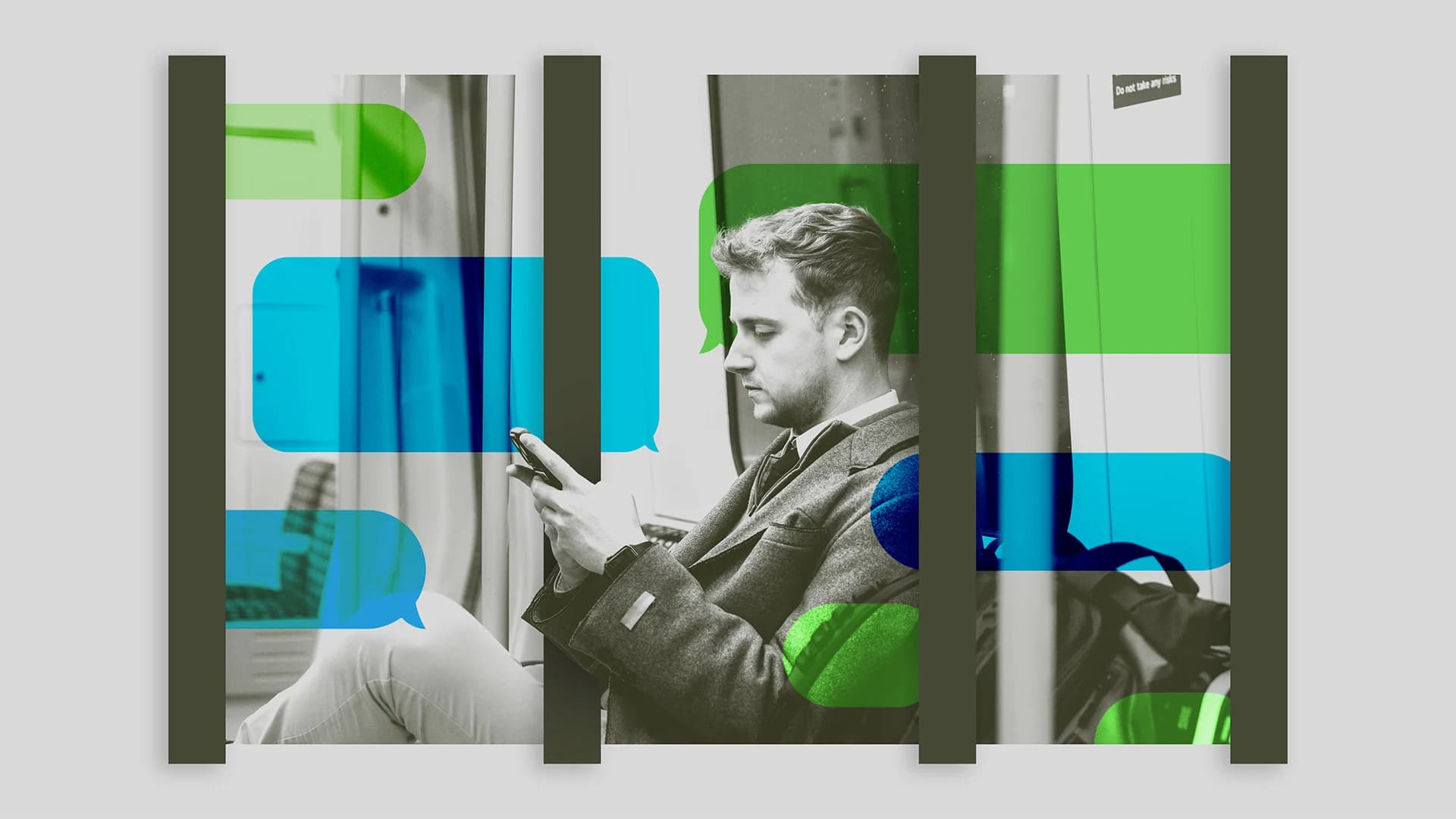
As artificial intelligence chatbots become increasingly sophisticated, many people—including busy Atlanta professionals juggling demanding work schedules—are turning to these digital companions for social connection. However, emerging research suggests this trend may backfire, leaving users feeling more isolated than before they started.
The findings raise important questions for Atlanta's growing tech sector and the companies developing AI solutions aimed at addressing loneliness. If AI interactions produce negative psychological effects, businesses betting on companionship-focused AI platforms may face credibility challenges and regulatory scrutiny as awareness of these studies spreads.
For Atlanta's workforce, the implications are particularly relevant. As remote work remains common and work-life balance remains elusive, professionals may be tempted to fill social voids with AI rather than investing in genuine human relationships. The research suggests this coping mechanism ultimately compounds feelings of disconnection rather than alleviating them.
Business leaders and HR professionals in Atlanta should take note: while AI tools offer real value in productivity and efficiency, they cannot replicate authentic human connection. Companies prioritizing employee wellness may want to reconsider how they position AI as a solution to workplace isolation, instead focusing resources on fostering genuine community and meaningful peer relationships.