Photo via Fast Company
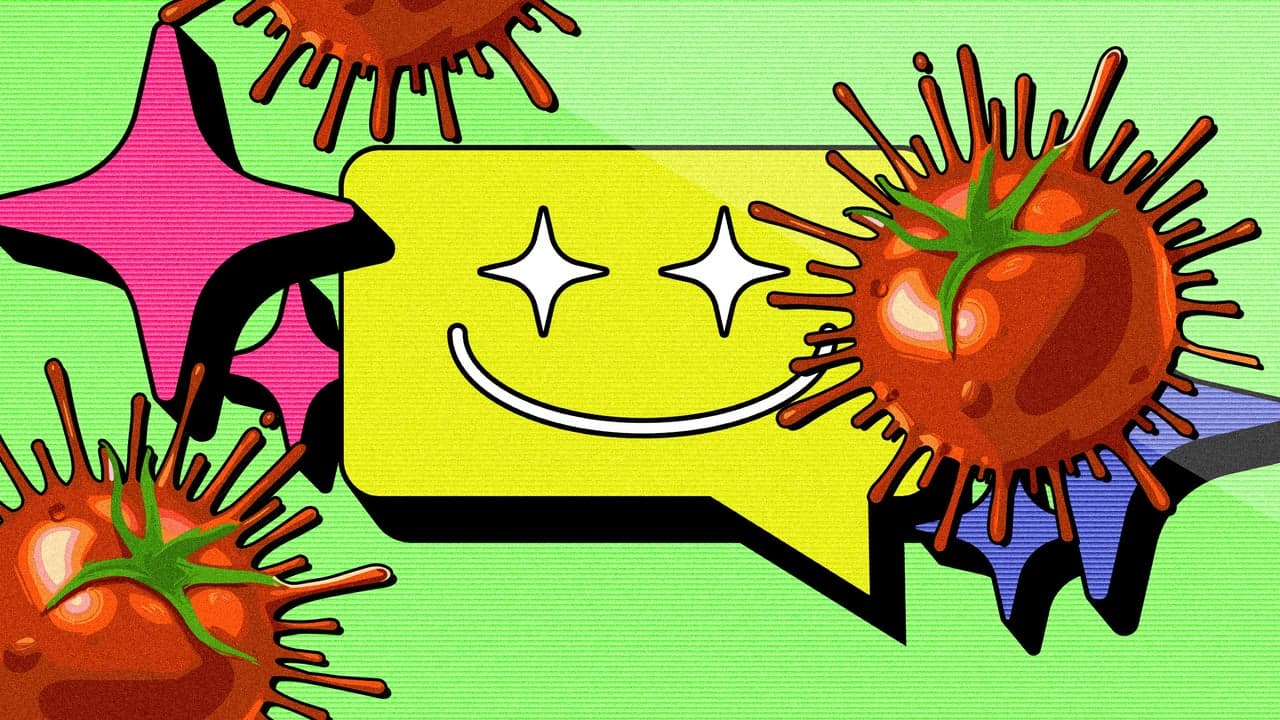
Public sentiment toward artificial intelligence has shifted dramatically in recent weeks, according to a Stanford University and UC Berkeley poll showing that less than half of Americans support accelerated AI innovation. The backlash has been visible everywhere—from college commencement speeches to literary award controversies to high-profile company layoffs. This rapid shift in perception poses a direct threat to brands of all sizes, not just AI companies themselves.
Atlanta-area marketers should take note: even minor perceived reliance on AI can trigger consumer backlash. When Nike posted marketing copy about tennis champion Jannik Sinner using a phrasing structure critics associated with AI-generated text, the social media response was swift and harsh. While the company didn't respond to inquiries, the incident illustrates how vigilant consumers have become about detecting and calling out AI usage in brand communications.
Some companies are taking a preventive stance by explicitly positioning themselves as AI-free. iHeartMedia, Aerie, Dove, and Polaroid have all launched campaigns emphasizing human creativity and authenticity. These brands recognize that in an era of AI skepticism, "realness" has become a competitive advantage—much like non-GMO or fair-trade certifications before it.
For Atlanta business leaders, the challenge ahead is clear: the forward march of AI integration is inevitable, but so is consumer scrutiny. Brands that attempt to hide their AI usage or straddle a middle ground risk appearing inauthentic. Companies must decide whether to embrace AI transparently, actively reject it, or commit fully to human-centered messaging—but half-measures could prove costly to brand reputation.