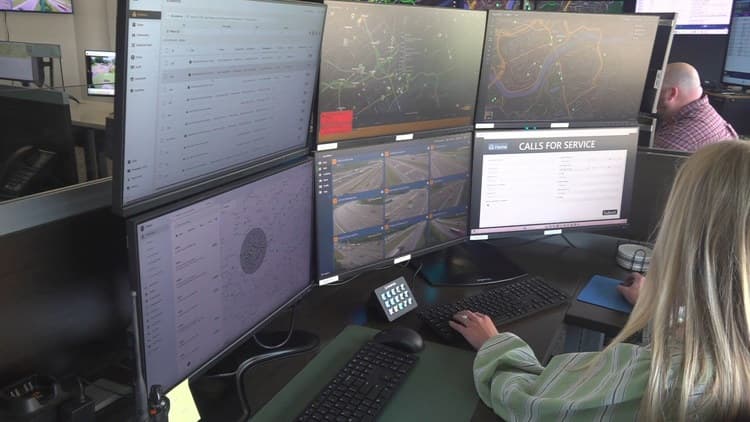
Photo via Inc.
The rise of artificial intelligence in the workplace is fundamentally changing what it means to be an effective leader. According to Inc., as organizations increasingly rely on AI-driven workflows and automation, the traditional playbook of appearing competent through image management is becoming far less viable. Atlanta's business community—home to major tech hubs and corporate headquarters—is experiencing this shift firsthand as automation exposes gaps between perception and performance.
When workflows become optimized through AI, the results are measurable and transparent in ways that human oversight alone cannot hide. Decision-making becomes traceable, processes become data-driven, and inefficiencies become immediately visible. Leaders who have previously relied on charisma, politics, or selective information sharing find themselves vulnerable when their choices are subject to algorithmic review and quantifiable outcomes.
The practical implication for Atlanta-area executives is clear: authenticity and genuine competence now matter more than ever. Organizations scaling AI implementations discover that someone must still fix what automation disrupts or misses—whether that's managing human fallout, addressing edge cases, or making judgment calls algorithms cannot. This reality rewards leaders who understand their operations deeply and can navigate the human complexity beneath the technological layer.
For companies in Atlanta's growing tech, finance, and logistics sectors, this represents both challenge and opportunity. Leaders who embrace transparency, invest in genuine skill development, and acknowledge limitations will build trust with teams and stakeholders. Those who attempt to mask incompetence with AI-powered appearances will quickly lose credibility. The age of authentic leadership is upon us.