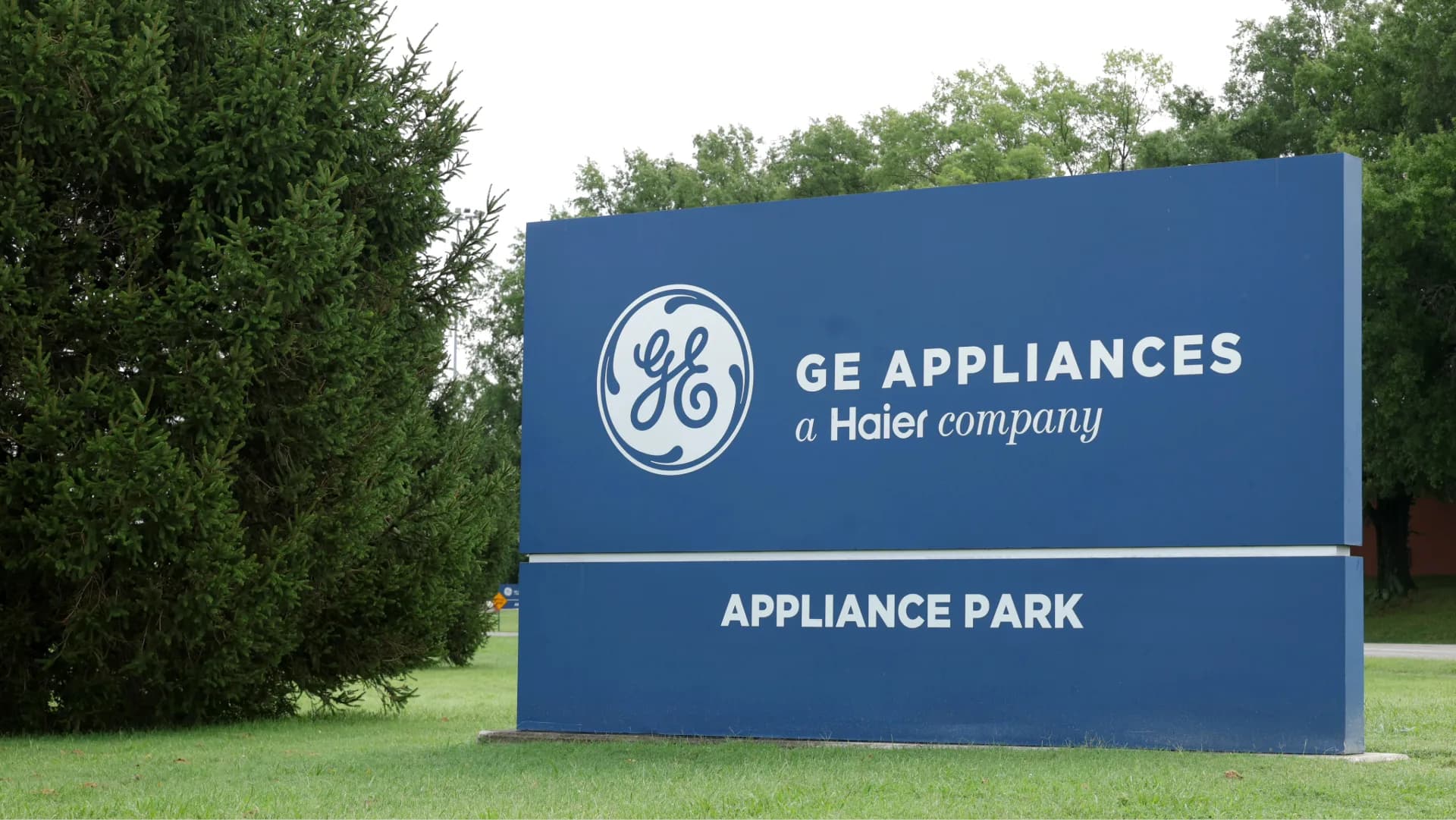
Photo via Inc.
While most U.S. manufacturers continue seeking lower costs abroad, GE Appliances—owned by China-based Haier—is moving in the opposite direction. According to Inc., the company is investing $490 million to establish a smart factory in Louisville, Kentucky, creating approximately 800 new jobs domestically. This counterintuitive decision reflects changing calculations around tariffs, supply chain resilience, and labor costs that could reshape how Atlanta-area manufacturers think about their own production strategies.
The Louisville facility represents a significant commitment to domestic manufacturing infrastructure and positions GE Appliances to avoid tariff pressures that have plagued importers in recent years. The move suggests that major corporations are beginning to weigh the hidden costs of overseas production—including trade barriers, shipping delays, and supply chain vulnerabilities—against the benefits of domestic operations. For Atlanta's robust manufacturing sector, this trend could validate similar reshoring discussions among regional companies.
The 800 jobs created through this investment underscore the economic multiplier effect of manufacturing facilities. Beyond direct employment, such facilities typically generate demand for logistics services, component suppliers, and skilled trades—sectors where the Atlanta region maintains competitive advantages. The smart factory approach also suggests Haier is betting on automation and advanced manufacturing technology to offset higher U.S. labor costs, a model that could appeal to other manufacturers evaluating their footprint.
GE Appliances' decision may signal the beginning of a broader shift among multinational manufacturers reconsidering their global supply chains. For Atlanta business leaders, the lesson is clear: domestic production, once abandoned for cheaper alternatives, is becoming competitive again when tariffs, logistics, and operational resilience are factored into the equation. As supply chain strategies continue evolving post-pandemic, Atlanta's industrial base could become increasingly attractive to companies reassessing their manufacturing locations.