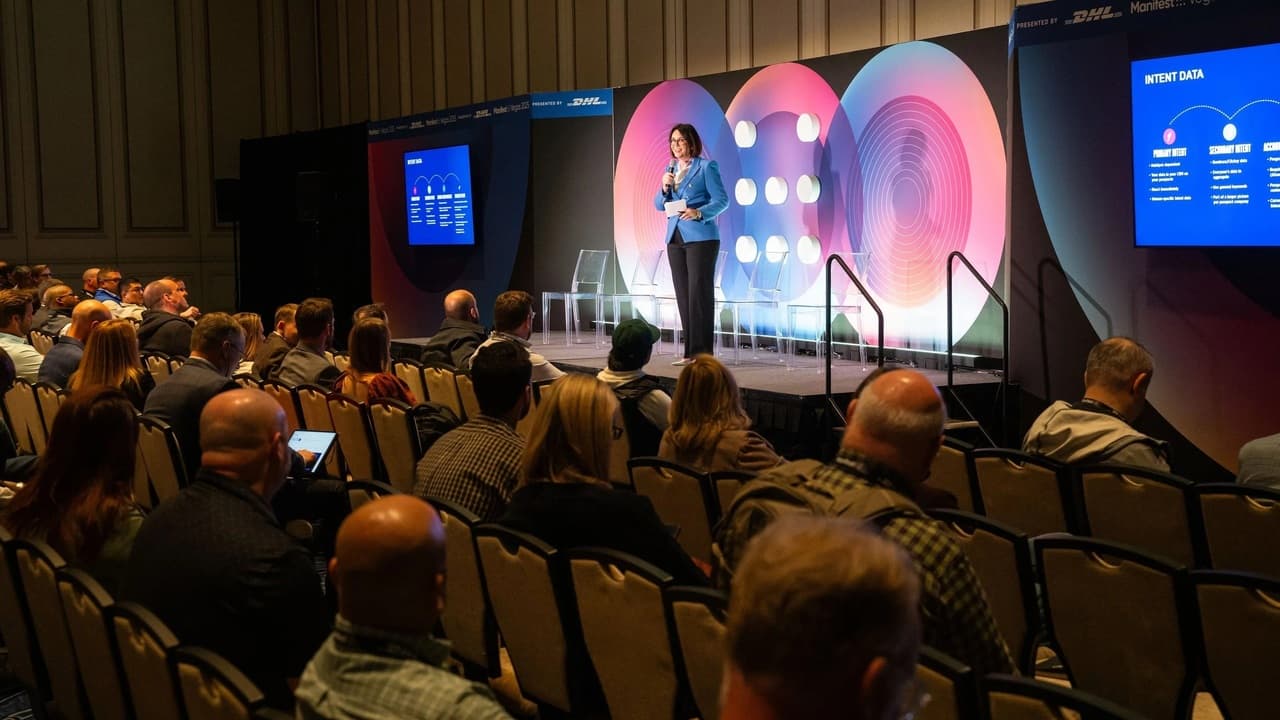
Photo via Inc.
A sweeping executive survey indicates that nearly all business leaders anticipate implementing AI-driven workforce reductions within the next two years. This widespread expectation reflects a broader trend of organizations prioritizing cost reduction and operational restructuring around artificial intelligence technologies. For Atlanta's business community—home to major corporate headquarters and a growing tech sector—the implications are substantial as companies across finance, logistics, and professional services weigh automation strategies.
The push to redesign workflows around AI is reshaping how executives think about workforce planning and labor strategy. Organizations are evaluating which roles can be augmented or replaced by AI systems, potentially creating a leaner operational model. Atlanta-based companies in sectors like logistics, financial services, and healthcare are likely to be early adopters, given these industries' existing investments in technology infrastructure and process optimization.
Beyond the headline numbers, the survey underscores a critical challenge facing Atlanta's workforce: the need for rapid skills adaptation and reskilling initiatives. Workers in routine administrative, data processing, and customer service roles may face the most disruption, while demand could increase for positions focused on AI management, training, and oversight. Local workforce development organizations and educational institutions will play a vital role in preparing employees for this transition.
For Atlanta business leaders, the strategic question extends beyond cost-cutting to talent retention and organizational culture. Companies that implement AI thoughtfully—investing in employee transition programs and retraining—may emerge with stronger competitive advantages. As this transformation unfolds, Atlanta's business community should monitor both opportunities in emerging roles and the broader economic implications of a significantly smaller workforce.