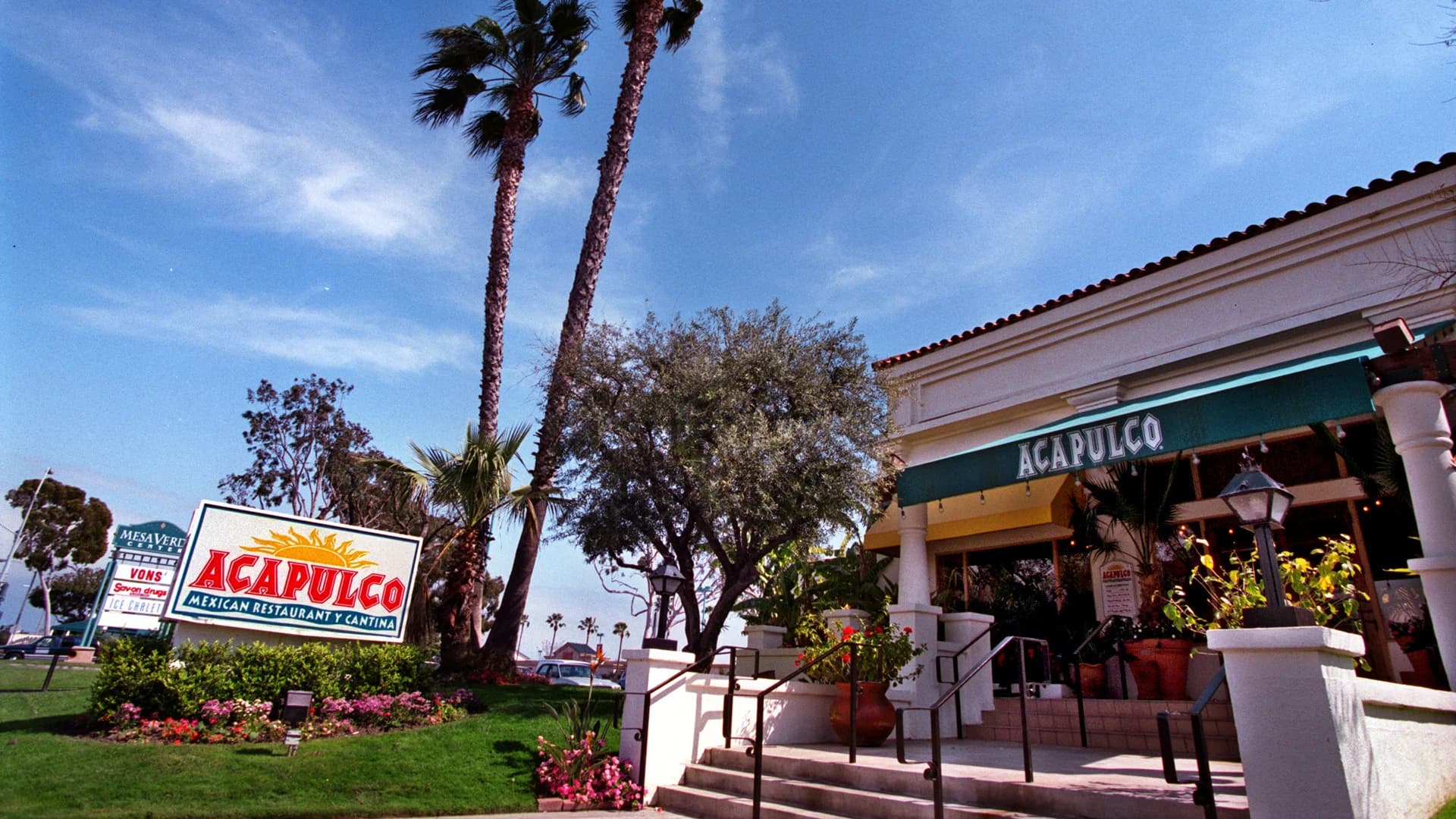
Photo via Inc.
According to Inc., a Mexican restaurant concept that launched in Pasadena, California in 1960 has experienced significant contraction, now operating only a single location after more than six decades in business. The dramatic downsizing underscores the challenges facing legacy restaurant chains as consumer preferences, real estate costs, and operational complexity reshape the industry landscape.
The chain's decline mirrors broader trends affecting independent and regional restaurant operators across the country. Rising labor costs, supply chain pressures, and the shift toward fast-casual and delivery-based dining models have forced many established concepts to reevaluate their expansion strategies and unit economics. For Atlanta restaurateurs operating multiple locations, the case serves as a reminder of the importance of sustainable growth and operational efficiency.
Atlanta's restaurant community has witnessed similar consolidations in recent years, as local and regional chains have shuttered underperforming locations or exited markets entirely. The city's competitive dining scene—home to numerous established chains and emerging concepts—requires operators to maintain strong unit-level profitability and adapt to changing market conditions to survive long-term.
Business owners in the Atlanta area can learn from this contraction that preservation of core brand identity and focus on profitable operations may prove more valuable than aggressive expansion. As the restaurant industry continues to evolve, success increasingly depends on understanding local market dynamics, managing overhead carefully, and maintaining customer loyalty at remaining locations.