Photo via Fox5 Atlanta
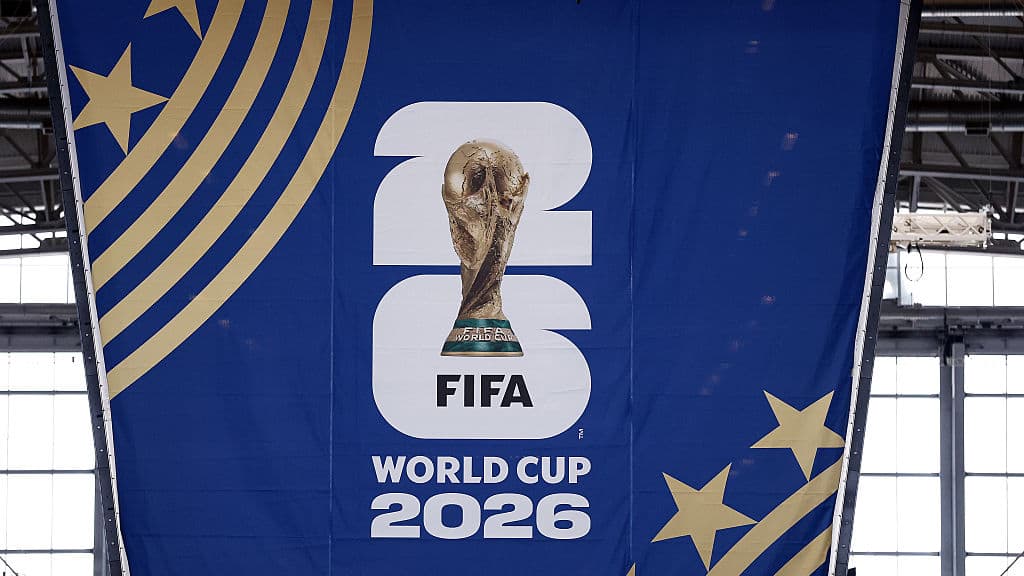
The FIFA World Cup is set to arrive on American soil in June 2026, and the economic implications are drawing attention from business leaders across multiple industries. According to Fox5 Atlanta, the tournament is expected to welcome an unprecedented number of international tourists to designated host cities throughout the country, positioning the U.S. for what could be the most-visited World Cup in history.
For Atlanta's business community, the influx of millions of visitors presents tangible opportunities across hospitality, food service, retail, and entertainment sectors. The city's existing infrastructure—including Mercedes-Benz Stadium, Hartsfield-Jackson Atlanta International Airport, and robust hotel inventory—positions the region as a potential beneficiary of World Cup-related economic activity, assuming Atlanta is selected as a host market.
Hotels, restaurants, and entertainment venues in competitive host cities are already strategizing how to capture spending from international tourists. The economic impact extends beyond direct hospitality revenue to include transportation services, retail spending, and ancillary business opportunities that typically accompany major international events of this scale.
As planning accelerates for the 2026 tournament, Atlanta businesses should monitor host city announcements and consider how their industries might capitalize on increased tourism demand. Early preparation in staffing, inventory management, and customer service capabilities could position local companies to maximize returns when international visitors arrive.