Photo via Fox5 Atlanta
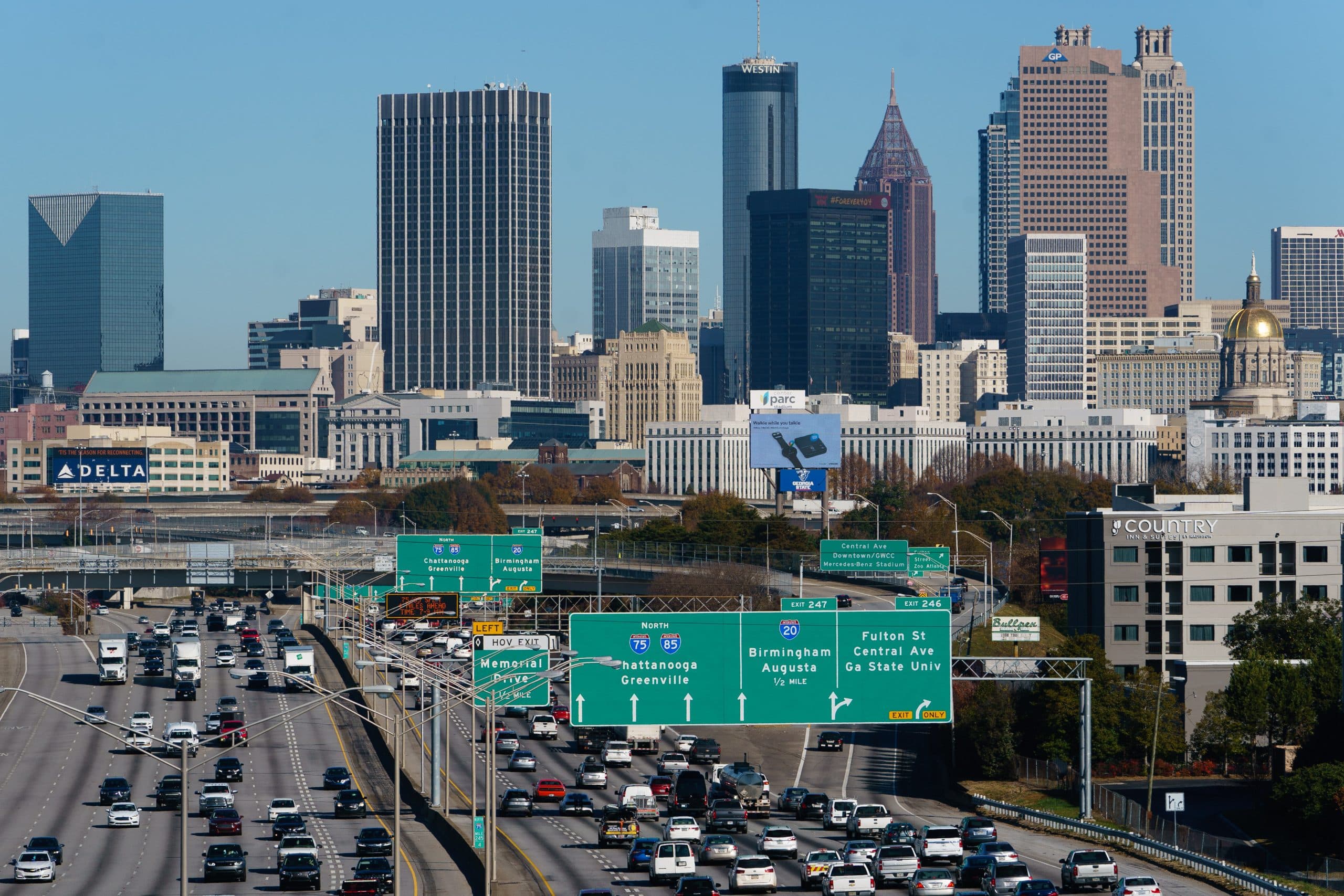
Atlanta's selection as a host city for the 2026 FIFA World Cup represents a major economic opportunity, but it comes with significant logistical challenges that Atlanta-area business leaders need to anticipate. According to Fox5 Atlanta, local transportation authorities are issuing early warnings about the unprecedented traffic congestion and downtown street closures that will accompany the eight matches scheduled for the city. Businesses operating in downtown Atlanta's core districts should begin developing contingency plans now to minimize operational disruptions during event periods.
The scale of the World Cup—with thousands of international visitors, athletes, and media descending on the city—will strain Atlanta's existing transportation infrastructure during match days. Companies with downtown offices, retail locations, or distribution operations should consider flexible work arrangements, adjusted delivery schedules, and employee communication strategies well in advance. Parking restrictions will be particularly acute, affecting both employee commutes and client accessibility to business locations near match venues.
MARTA presents an opportunity for businesses to encourage employee transit usage during World Cup events, reducing parking pressures and street-level congestion. Organizations should evaluate MARTA pass programs and promote public transportation incentives to staff during the tournament. The transit authority's expanded capacity during event periods may also provide a model for businesses to study how public infrastructure investments can support peak-demand scenarios.
For Atlanta's hospitality, retail, and service sectors, the World Cup represents substantial revenue potential but requires careful operational planning. Businesses should secure advance information from the city and event organizers regarding specific street closures, timing, and access modifications. Early preparation—from inventory management to staffing adjustments—will position Atlanta companies to capitalize on increased foot traffic while navigating the inevitable transportation disruptions.