Photo via 11Alive Atlanta
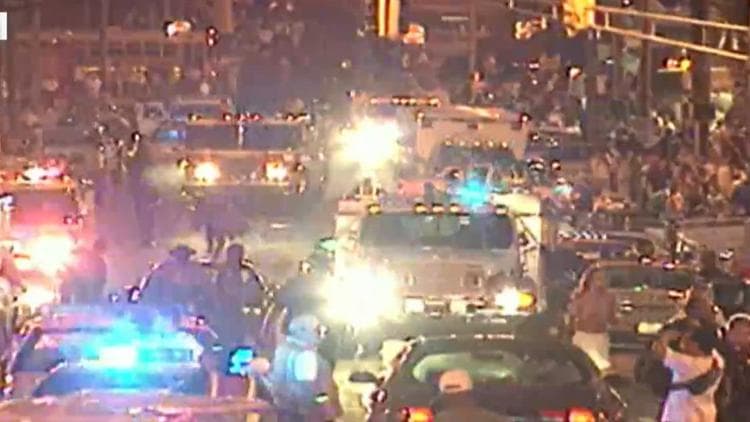
The 1996 Centennial Olympic Park bombing stands as a pivotal moment in Atlanta's modern history, fundamentally altering how the city—and the nation—approaches large-scale event security. According to 11Alive Atlanta, the tragedy left a deep imprint on the community while spurring innovations in crowd safety and emergency response that continue to influence best practices today. For Atlanta's business community, particularly those in hospitality, event management, and downtown development, the lessons learned became integral to how the region hosts major conventions, festivals, and gatherings.
In the aftermath of the bombing, Atlanta's event and security professionals developed new protocols that became industry standards. The city's experience demonstrated the critical importance of sophisticated surveillance systems, coordinated emergency response networks, and comprehensive crowd management strategies. These advances have positioned Atlanta as a leader in secure event hosting, allowing the region to confidently attract major conferences, sports events, and festivals while maintaining public safety—a competitive advantage for the local events industry and downtown revitalization efforts.
Thirty years later, the bombing's legacy extends beyond security infrastructure to shape Atlanta's identity as a resilient, forward-thinking city. Memorials and remembrance efforts ensure the tragedy is honored while the community continues to build. For Atlanta's business leaders, the story serves as a reminder that innovation born from adversity—whether in security technology, emergency management, or organizational resilience—can transform a city's trajectory and strengthen its competitive position for generations to come.